


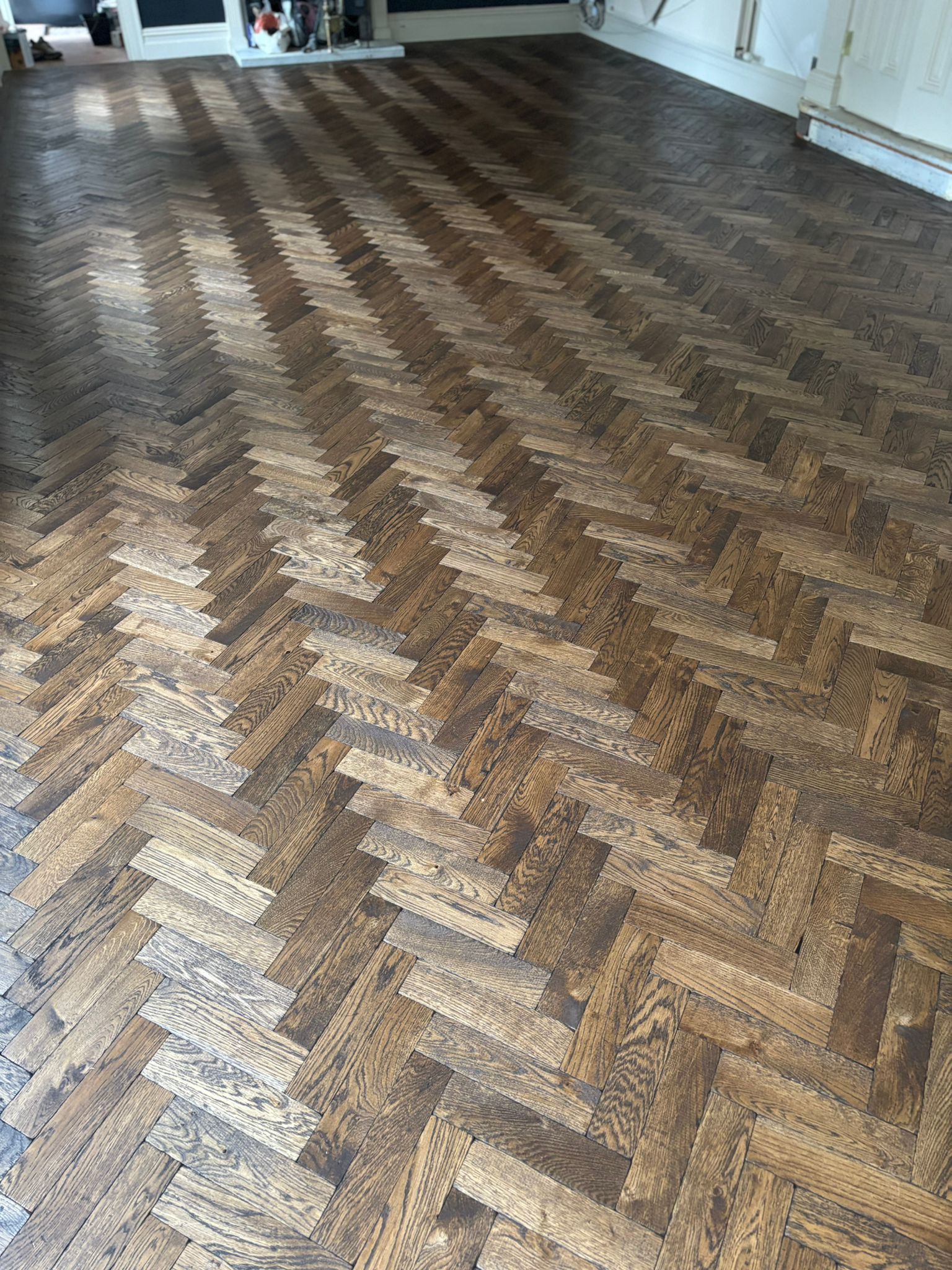
Wooden floors are one of the most enduring investments you can make in a home. With the right care, a well-laid hardwood floor can last generations, outliving carpets, laminates, and most other flooring types by decades. But longevity does not happen by accident. It comes from understanding how wood behaves, what damages it over time, and when to call in professional help before small issues become expensive ones.
Whether you have solid hardwood flooring that has been in the family for years or a newer engineered wood installation, the principles of good maintenance remain largely the same. Here is a practical guide to keeping your floors looking their best for as long as possible.
Daily Habits That Make a Real Difference
Small, consistent habits have a bigger impact on the condition of your floors than any single restoration job. One of the most effective things you can do is adopt a no-shoes policy indoors, or at least use proper entrance mats at every external door. Grit and debris carried in on the soles of shoes act like fine sandpaper each time someone walks across the floor, gradually dulling the finish and scratching the surface over time.
Pet claws cause similar wear, particularly on softer woods, so keeping them trimmed helps more than most people realise. Felt pads under furniture legs are another simple measure that pays off. Chairs and tables dragged across hardwood flooring, even occasionally, leave marks that accumulate into visible damage.
Dry sweeping or vacuuming with a soft brush attachment should happen regularly, but avoid vacuum cleaners with rotating beater bars as these can scratch the surface. A slightly damp mop used sparingly is fine for cleaning, but never use excessive water on wooden floors. Wood and standing moisture are not a good combination.
Managing Moisture and Temperature
Wood is a natural material that responds to the environment around it. It absorbs and releases moisture depending on the humidity levels in your home, which causes it to expand and contract. Over time, if conditions fluctuate widely, this movement can lead to gaps between boards, cupping, or even warping.
Keeping indoor humidity between roughly 40 and 60 per cent is generally considered the ideal range for hardwood flooring. In drier months, a humidifier can help. In summer, air conditioning or a dehumidifier can prevent excessive moisture absorption. Sudden changes are more damaging than seasonal shifts, so maintaining a reasonably stable environment matters.
Be particularly careful in kitchens and bathrooms where water spillages are more likely. Wipe up spills immediately rather than leaving them to sit. Even small amounts of water repeatedly soaking into the same spot can cause localised swelling or staining that is difficult to reverse without professional wood floor restoration work.
Maintenance Cycles and Protective Finishes
Refreshing the Finish Before It Fails
One of the most overlooked aspects of floor care is the finish itself. Whether your floor has been treated with an oil, lacquer, or hardwax oil, that surface coating is the first line of defence against daily wear. Once it wears away in high-traffic areas, the bare wood underneath becomes vulnerable.
Refreshing the finish on a regular basis, before it breaks down completely, is far easier and less costly than waiting until the wood itself is damaged. With oiled floors, a maintenance oil can be applied periodically as part of a home care routine. Lacquered floors are less straightforward to spot-treat and may require a full resand when they begin to show significant wear.
How often you need to refresh will depend on foot traffic, sunlight exposure, and the type of finish. A hallway or kitchen floor will need attention more frequently than a bedroom. Paying close attention to how the floor looks and feels underfoot will tell you a great deal about what it needs.
When Wooden Floor Sanding Is the Right Call
Recognising the Signs That Sanding Is Needed
Even well-maintained floors will eventually need more than a surface refresh. Wooden floor sanding removes the top layer of the wood along with any ingrained dirt, scratches, old finish, and discolouration, revealing fresh wood beneath. It is one of the most effective ways to completely restore a floor that has seen better days.
Signs that sanding may be due include deep scratches that cannot be buffed out, uneven colouration or sun bleaching across the floor, a finish that has worn down to bare wood in places, or boards that have developed a grey, tired appearance. If the floor looks dull no matter how much you clean it, the finish has likely failed and sanding is the appropriate next step.
Solid hardwood floors can typically be sanded multiple times over their lifetime depending on the thickness of the boards. Engineered hardwood has a thinner wear layer and can usually be sanded once or twice before the structural layer is reached. This is worth bearing in mind when planning long-term maintenance.
For professional wooden floor sanding across the UK, wood flooring specialists can advise on whether your floor is a suitable candidate and what finish would suit it best after treatment.
Professional Wood Floor Restoration and When to Seek It
Beyond the DIY Threshold
Some floor issues are worth attempting to address yourself. A scratched surface, a small area of discolouration, or a dull finish in one room may be manageable with the right products and a bit of care. But there is a clear point at which professional wood floor restoration becomes the more sensible choice.
Structural problems such as boards that have lifted, significant gapping between planks, serious water damage, or floors that are uneven underfoot should be assessed by a professional. Attempting to sand a floor that has movement in it, or that has underlying damage, can make the situation worse. A specialist will identify whether the issue is cosmetic or structural before any work begins.
Professional restoration also produces a level of finish quality that is very difficult to replicate with domestic sanding equipment. Floor sanding machines available for hire are effective but require experience to use without leaving visible marks or uneven patches. The finishing process, whether oil, lacquer, or hardwax, also requires precise application to achieve a durable, consistent result.
Wood Flooring Specialist offers professional floor sanding and restoration services and can help assess the condition of your floor and recommend the right course of action.
Protecting Your Floor Going Forward
Once a floor has been sanded and refinished, the maintenance cycle starts fresh. The choices you make in the weeks and months after restoration will determine how long the results last.
Allow any new finish adequate curing time before placing furniture or rugs back on the floor. Follow the care guidelines specific to the finish type that has been applied. Avoid harsh cleaning products, as these can break down protective coatings over time. Stick to cleaning products recommended for your specific floor finish.
A well-restored hardwood floor, given consistent care and attention, should not need sanding again for many years. The combination of good daily habits, timely maintenance, and professional intervention when it is genuinely needed is what keeps wooden floors in excellent condition across decades rather than just a few years.
If you are unsure about the current condition of your hardwood flooring or want guidance on the right maintenance approach, speaking to a flooring professional is always worthwhile before problems progress.
Get in touch with us at Wood Flooring Specialist today for more information.
