


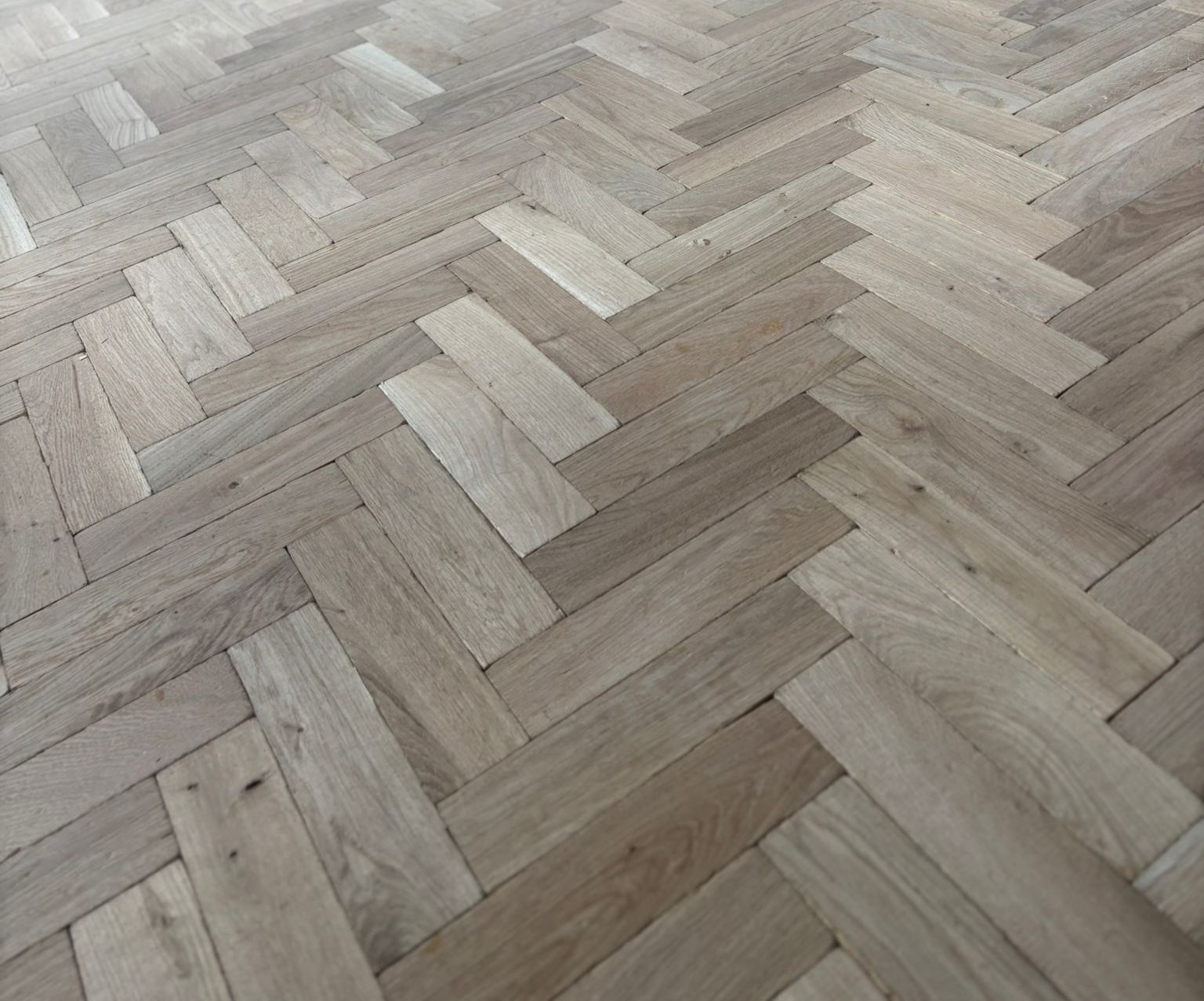
There is something deeply satisfying about restoring a wooden floor to its former glory. The warmth, the character, the grain patterns that tell the story of a home. But for years, the process of getting there came with a significant drawback: clouds of fine dust that settled on every surface, crept into every corner, and lingered in the air long after the sanders had packed up and gone home.
Dust-free floor sanding changes that entirely. If you have been putting off restoring your wooden floors because of the mess and disruption involved, this method is worth understanding properly.
What Is Dust-Free Floor Sanding?
Dust-free floor sanding uses specialist sanding equipment fitted with powerful extraction systems that capture dust particles at the source, before they have any chance to become airborne. Rather than the traditional approach where sanding generates enormous quantities of fine particulate matter that spreads throughout a property, the extraction system pulls dust directly into contained units throughout the entire process.
The result is a working environment and a finished space that is genuinely cleaner. Not just cleaner in the sense that there is less visible mess, but cleaner in a way that matters for the people living or working in the building.
It is worth noting that no extraction system captures one hundred percent of all dust particles, and any reputable wooden floor sanding professional will be transparent about this. However, modern dust-free systems remove the vast majority of particulate matter, making the difference compared with traditional sanding quite dramatic.
The Health Case for Dust-Free Wooden Floor Sanding
Fine wood dust is not simply an inconvenience. Prolonged exposure to fine particulates, particularly the very small particles generated during sanding, can irritate the respiratory system. For people with asthma, hay fever, or other allergies, even a single sanding project carried out with traditional equipment can cause days of discomfort. Children, elderly family members, and pets are also more sensitive to airborne particles than healthy adults.
The Health and Safety Executive in the United Kingdom classifies wood dust as a substance hazardous to health under COSHH regulations, which gives some indication of how seriously this should be taken. Hardwood dust in particular carries a higher risk profile than softwood dust.
For families who cannot easily vacate a property during floor restoration work, dust-free floor sanding makes it genuinely practical to remain in adjoining rooms or return to the property the same day. There is no need to seal off entire sections of a home with plastic sheeting or spend a weekend deep-cleaning every surface after the job is done.
A Practical Choice for Allergy Sufferers
If anyone in your household manages allergies or respiratory conditions, traditional floor sanding can trigger prolonged flare-ups. The particles generated during sanding are fine enough to pass through standard air filtration and can remain suspended in the air for extended periods. Dust-free systems dramatically reduce this risk by capturing particles before they disperse.
The Cleanliness Advantage in Practical Terms
The clean-up time after a traditional floor sanding project is often underestimated. Dust finds its way into light fittings, inside wardrobes, on top of kitchen cupboards, and even inside sealed drawers. Removing it thoroughly takes time and effort, and some residual dust almost always remains.
With dust-free floor sanding, the clean-up process after the work is completed is a fraction of what it would otherwise be. Furniture can be moved back into the room far sooner, and the disruption to daily life is measurably shorter. For businesses, this reduction in downtime can make a meaningful difference to operational schedules.
Is Dust-Free Floor Sanding Worth the Cost?
Floor sanding cost is a common concern for homeowners and business owners alike. Dust-free sanding does sometimes carry a slightly higher price than traditional methods, reflecting the specialist equipment and the higher level of service involved.
However, when you factor in the reduced need for extensive cleaning after the work, the lower risk of dust damage to furniture and soft furnishings, and the potential savings on professional cleaning services, the overall cost picture often looks very different. For households with young children or allergy sufferers, the health benefits alone tend to justify the difference in price.
For anyone considering wooden floor sanding as part of a wider renovation or property preparation, it is sensible to get a detailed quote that accounts for the full scope of the work, including the finish to be applied, the condition of the existing floor, and the total floor area. A professional wooden floor sanding service will be able to provide accurate guidance on likely costs based on these factors.
You can explore the range of floor sanding services available at Wood Flooring Specialist to get a clearer sense of what is involved and what you might expect to pay for a project like yours.
When Is Dust-Free Sanding the Right Choice?
The honest answer is that dust-free floor sanding suits almost every situation where wooden floor restoration is being considered. It is particularly well suited to:
Occupied homes where residents cannot easily leave the property during the work.
Properties with young children, elderly occupants, or anyone managing a respiratory condition.
Businesses such as offices, hotels, restaurants, and retail spaces where cleanliness and a quick return to normal operations matter.
Properties being prepared for sale or rental, where minimising disruption and keeping the space presentable is a priority.
Period properties and homes with open-plan layouts where dust can travel particularly far.
What to Expect from a Professional Service
A well-executed dust-free floor sanding project will progress through several stages. The floor is assessed first, with any loose boards, protruding nails, or damaged sections addressed before sanding begins. The sanding process itself moves through progressively finer abrasive grades, starting with a coarser grit to remove the old finish and level the surface, then moving through medium and fine grades to achieve a smooth result.
The edges and corners of the room, which larger drum sanders cannot always reach, are addressed with edge sanders that are also fitted with extraction systems in a dust-free setup. After sanding, the floor is thoroughly cleaned before the chosen finish is applied.
Whether you opt for a hard wax oil, a lacquer, or a more traditional oil finish will depend on how the space is used and the look you want to achieve. A skilled floor sanding professional will discuss these options with you and help you choose the right finish for your specific floor and lifestyle.
Caring for Your Floor After Sanding
Once your wooden floor has been sanded and finished, keeping it in good condition is straightforward with the right approach. Use appropriate cleaning products designed for the specific finish that has been applied. Avoid excess moisture, use felt pads under furniture legs, and consider placing entrance mats to reduce the amount of grit tracked across the surface.
A well-maintained wooden floor that has been properly sanded and finished can last for many decades before it needs attention again. Given the investment involved, protecting that work with simple, consistent care makes obvious sense.
Choosing the Right Wooden Floor Sanding Professional
Not every flooring contractor offers genuine dust-free sanding. When comparing services, ask specifically about the extraction equipment used and what percentage of dust is typically captured. A professional service will answer these questions confidently and honestly.
Look for a specialist with direct experience across different wood species and floor conditions, as the approach for an old pine floor in a Victorian terrace differs considerably from the approach for a newer engineered oak floor. The Wood Flooring Specialist team works across a wide range of domestic and commercial projects, with the technical knowledge to match the method and finish to the individual floor.
When you are ready to restore your wooden floors without the mess, the disruption, or the health concerns that traditional sanding brings with it, dust-free floor sanding is clearly the more considered choice.
For more information, contact us today. We are happy to help with any queries you may have.
