


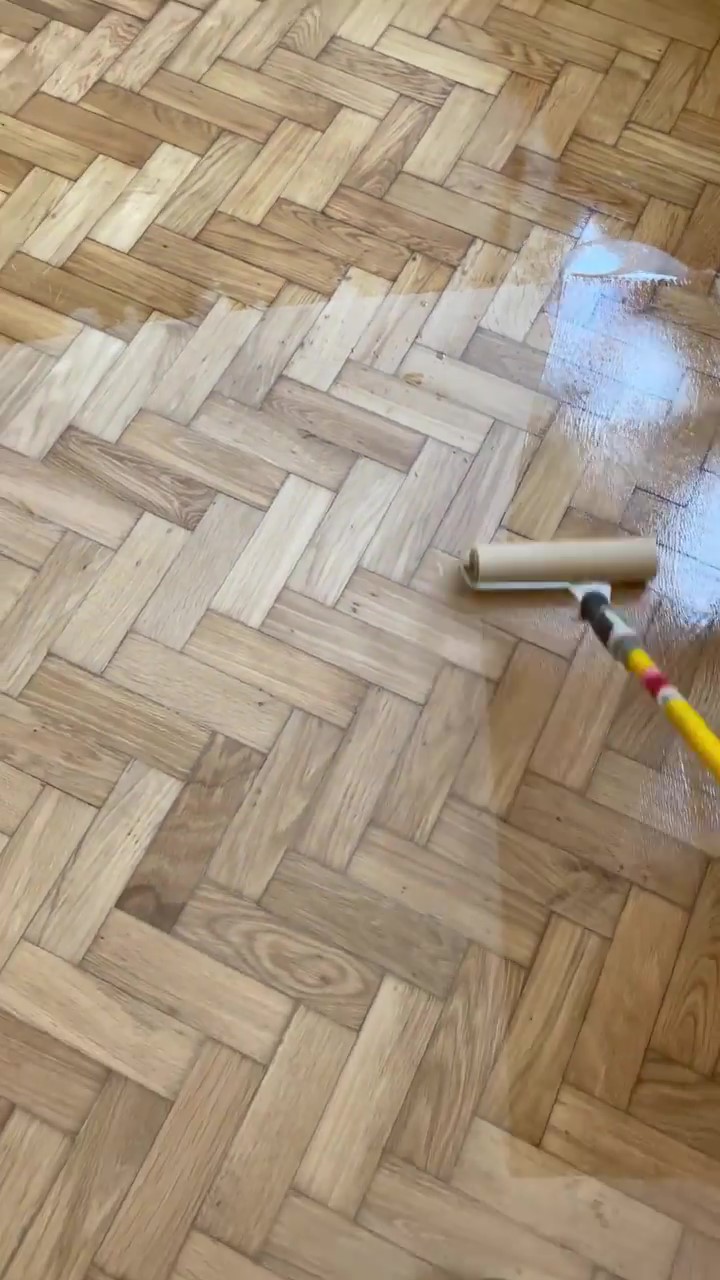
Herringbone flooring represents one of the most elegant and timeless patterns in interior design. This distinctive arrangement creates a zigzag effect that transforms any space into something truly special. While the pattern might appear complex, understanding its origins, benefits, and installation process will help you decide whether this classic choice suits your home.
The herringbone pattern gets its name from the resemblance to fish bones arranged in sequence. Each plank sits at a 90-degree angle to the next, forming a V-shaped weave that creates visual movement and sophistication. This arrangement works beautifully with various materials, though engineered wood flooring remains the most popular choice for modern installations.
The Rich History of Herringbone Patterns
The herringbone pattern boasts a fascinating heritage spanning thousands of years. Ancient Romans first used this arrangement for road construction, discovering that the interlocking design provided superior strength and durability. The pattern’s structural integrity made it perfect for high-traffic areas that needed to withstand heavy loads.
During the 16th century, French craftsmen adapted the herringbone design for interior floors, creating elaborate parquet flooring in grand chateaux and palaces. The Palace of Versailles features some of the most stunning examples of herringbone parquet flooring, showcasing intricate patterns that remain breathtaking centuries later. This aristocratic connection cemented herringbone’s reputation as a luxury flooring choice.
English manor houses soon embraced the style, with skilled artisans creating beautiful herringbone installations using native oak and other hardwoods. The pattern became synonymous with quality craftsmanship and refined taste, establishing its place in British design tradition.
Understanding Different Herringbone Styles
Classic herringbone follows the traditional V-shaped pattern where each plank meets at a perfect right angle. This arrangement creates a regular, predictable rhythm that works well in both traditional and contemporary settings. The consistent pattern provides visual interest without overwhelming smaller spaces.
Chevron flooring often gets confused with herringbone, though they differ significantly. Chevron planks have angled cuts on their ends, creating an unbroken zigzag line across the floor. While beautiful, chevron requires more precise cutting and tends to be more expensive than traditional herringbone.
Single herringbone uses planks of uniform width, typically ranging from 70mm to 150mm. This creates a neat, orderly appearance that suits most room sizes. Double herringbone uses two planks side by side in each direction, creating a bolder, more dramatic effect that works best in larger spaces.
Block patterns arrange herringbone sections in squares, separated by border strips. This variation adds another layer of complexity and visual interest, though it requires careful planning to achieve the right proportions.
Materials and Options for Herringbone Flooring
Solid wood herringbone offers authentic beauty and can be sanded and refinished multiple times throughout its life. Oak remains the most popular choice due to its durability and attractive grain patterns. Walnut, maple, and cherry also create stunning herringbone installations, each bringing unique character and colour variation.
Engineered wood flooring has become increasingly popular for herringbone installations. The layered construction provides excellent stability while reducing costs compared to solid wood. The top veneer layer offers the same visual appeal as solid wood, while the multi-layer base provides resistance to expansion and contraction.
Engineered herringbone works particularly well with underfloor heating systems, where solid wood might struggle with temperature fluctuations. Modern manufacturing techniques produce engineered planks that are virtually indistinguishable from solid wood once installed.
Laminate and luxury vinyl options now replicate herringbone patterns with remarkable accuracy. While these materials lack the authenticity of real wood, they offer significant cost savings and easier maintenance. High-quality laminate herringbone can fool most observers from normal viewing distances.
The Pros of Choosing Herringbone Flooring
The visual impact of herringbone flooring cannot be overstated. The pattern creates immediate sophistication and elegance that few other flooring choices can match. The zigzag arrangement draws the eye across the room, making spaces appear larger and more dynamic. This visual expansion proves particularly beneficial in smaller rooms or narrow hallways.
Herringbone patterns hide dirt and minor imperfections better than straight-laid floors. The busy pattern camouflages pet hair, dust, and small scratches that would be obvious on plain flooring. This practical benefit makes herringbone an excellent choice for busy households with children or pets.
The pattern’s flexibility allows it to complement various interior styles. Traditional homes benefit from the classical elegance, while modern spaces gain interesting texture and visual depth. The timeless nature of herringbone means your flooring won’t look dated in years to come.
Parquet flooring, particularly herringbone, often increases property value. Estate agents frequently note that quality wood flooring attracts buyers and can add significant value to homes. The perceived luxury and craftsmanship associated with herringbone makes it a worthwhile investment.
The structural benefits of the herringbone pattern provide practical advantages. The interlocking arrangement distributes weight more evenly than straight boards, reducing the likelihood of individual plank movement or gaps developing over time.
Potential Drawbacks to Consider
Installation complexity represents the primary disadvantage of herringbone flooring. The pattern requires precise measuring, cutting, and fitting skills that exceed those needed for straight installations. Most homeowners need professional installation, which increases overall project costs significantly.
Material waste increases with herringbone patterns, particularly around room edges where planks need cutting to fit. Professional installers typically add 15-20% to material orders to account for this waste, compared to 10% for straight installations. This extra material requirement impacts both cost and environmental considerations.
Room preparation becomes more critical with herringbone patterns. Uneven subfloors that might be acceptable for straight installations can cause significant problems with herringbone. The pattern’s geometric precision highlights any imperfections in the underlying structure.
Maintenance requires more attention to detail than straight flooring. Cleaning between the zigzag joints needs care to prevent dirt buildup. While the pattern hides minor imperfections well, it can trap debris if not maintained properly.
Cost considerations extend beyond initial installation. Quality herringbone flooring commands premium prices, and the additional labour requirements increase installation costs. Budget-conscious homeowners might find the total project cost prohibitive.
Professional Fitting and Installation Process
Successful herringbone installation begins with meticulous room measurement and planning. Professional fitters create detailed drawings showing plank placement, starting points, and border arrangements. The geometric precision required means that small measurement errors compound quickly across the entire floor.
Subfloor preparation proves crucial for herringbone success. The surface must be perfectly level, clean, and dry. Any irregularities will show through the finished floor, particularly with thinner engineered products. Professional installation teams typically spend considerable time on subfloor preparation before beginning actual flooring work.
Setting out the pattern correctly determines the entire installation’s success. Fitters establish centre lines and work outward, ensuring the pattern remains symmetrical and balanced. Border planning requires particular attention, as narrow strips around room edges can spoil the overall effect.
The actual installation process demands patience and precision. Each piece must align perfectly with its neighbours, maintaining consistent gaps for expansion. Professional tools help achieve the accuracy required, though skilled craftsmanship remains essential.
Finishing work includes fitting skirting boards, beading, and threshold strips to complement the herringbone pattern. Quality installation teams ensure these details enhance rather than detract from the overall effect.
Visit our flooring installation page here.
Restoration and Maintenance Considerations
Existing herringbone floors often respond well to restoration rather than replacement. Solid wood herringbone can be sanded and refinished multiple times, allowing for colour changes or surface repairs. Professional restoration can transform tired-looking floors back to their original beauty.
Regular maintenance preserves herringbone flooring’s appearance and extends its lifespan. Weekly vacuuming removes debris from between the joints, while occasional damp mopping with appropriate wood floor cleaners maintains the surface finish. Avoid excessive water, which can cause individual planks to expand and disrupt the pattern.
Spot repairs become more complex with herringbone patterns. Replacing individual damaged planks requires careful cutting and fitting to maintain the geometric arrangement. Professional repair work often proves necessary to achieve seamless results.
Refinishing herringbone floors requires experienced professionals who understand how the pattern affects sanding and finishing procedures. The grain direction changes with each plank, requiring careful technique to achieve uniform results.
Making the Right Choice for Your Home
Consider your home’s architectural style when evaluating herringbone flooring. Period properties often suit traditional herringbone patterns perfectly, while contemporary homes might benefit from wider planks or darker stains that create modern interpretations of the classic pattern.
Room size influences pattern choice significantly. Smaller herringbone patterns work better in compact spaces, while larger rooms can accommodate bolder arrangements. Professional advice proves valuable in selecting proportions that complement your specific space.
Budget planning should include both material and installation costs. While herringbone represents a significant investment, the longevity and visual appeal often justify the expense. Consider engineered wood flooring as a cost-effective alternative to solid wood without sacrificing appearance.
Lifestyle factors affect material choice within herringbone options. Busy family homes might benefit from engineered wood flooring’s stability and easier maintenance, while formal areas could justify solid wood’s premium appeal.
Professional consultation helps navigate the various options and ensures realistic expectations about costs, timescales, and maintenance requirements. Experienced flooring specialists can provide samples and advice tailored to your specific situation.
Herringbone flooring continues to captivate homeowners with its blend of classical elegance and practical benefits. While the installation requires professional expertise and careful planning, the results create flooring that combines timeless beauty with modern performance. Whether you choose solid wood, engineered alternatives, or contemporary interpretations, herringbone patterns transform ordinary rooms into extraordinary spaces that reflect sophisticated taste and attention to detail.
