


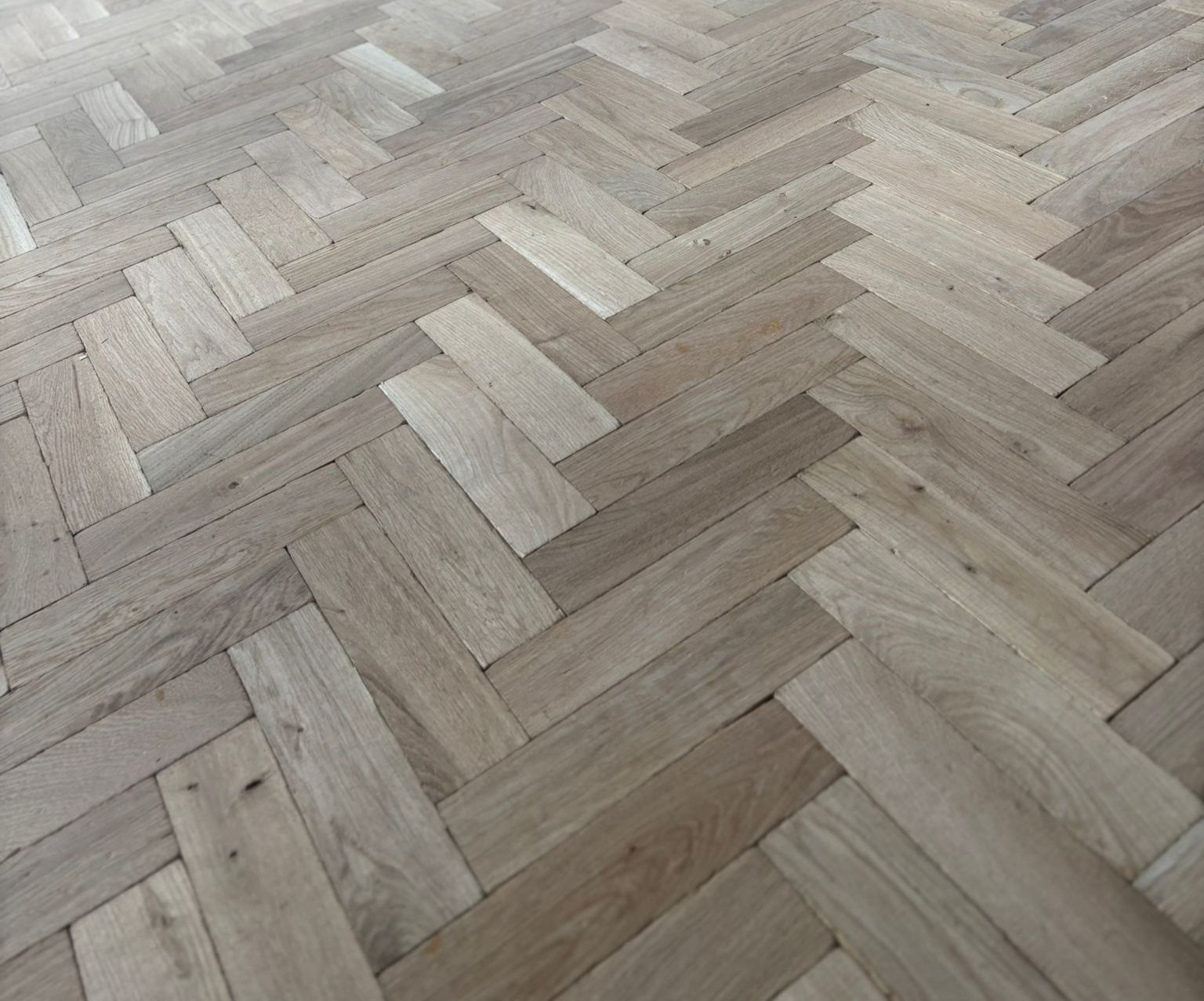
Getting new wood flooring fitted is one of those home improvements that makes an immediate, lasting difference to how a room looks and feels. But the installation itself is only part of the story. What happens before the fitters arrive has a direct bearing on how smoothly the job goes, how long it takes, and how well the finished floor performs over time.
Whether you’re having solid wood, engineered boards, or parquet laid, a little preparation goes a long way. This floor fitting guide covers everything you need to do in the days and weeks leading up to your installation date.
Start with the Subfloor
Before anything else, the condition of your subfloor needs careful attention. This is one of the most overlooked aspects of preparing for wood flooring, yet it’s arguably the most important.
Fitters need a surface that is clean, level, and dry. If you have a concrete subfloor, it must have a moisture content within acceptable limits before any wood product is laid on top of it. Excess moisture in a concrete slab is one of the leading causes of floor failure, causing boards to cup, buckle, or separate at the joints. A basic moisture meter reading can tell you where things stand, and if your installer hasn’t already asked about this, it’s worth raising before the appointment.
Timber subfloors should be checked for squeaks, movement, and any boards that have lifted or warped. Any loose fixings should be screwed down rather than left for the fitter to work around. The floor should also be swept or vacuumed free of dust, debris, and any old adhesive residue.
If you’re unsure what condition your subfloor is in, the team at Wood Flooring Specialist can advise you based on the product you’ve chosen and the room you’re working in.
Allow the Wood to Acclimatise
This is one of the most important floor installation tips and one that many homeowners don’t know about until it’s too late. Wood is a natural material that responds to its environment. It expands and contracts depending on temperature and humidity, which means that boards delivered straight from a warehouse into your home need time to adjust before they’re fixed in place.
The acclimatisation period for wood flooring typically ranges from 48 hours to seven days, depending on the product type and the conditions in your home. Engineered boards tend to be more dimensionally stable and may need less time, while solid wood often benefits from a longer settling period.
The flooring should be stored in the room where it will be laid, with the packaging left slightly open to allow air to circulate around the boards. The room should be at a normal living temperature during this period, ideally between 18 and 22 degrees Celsius. Avoid storing the boards directly on a cold concrete floor or near a radiator.
Your supplier or installer should give you specific guidance based on the product, so always follow their recommendations rather than relying on a general rule.
Move Furniture Out of the Room Completely
This sounds obvious, but it’s worth being clear: the room being fitted should be entirely empty before the fitters arrive. Trying to work around furniture slows the installation down considerably and can compromise the quality of the finished result, particularly in corners and along skirting boards.
If the room is a bedroom, that means the bed, wardrobes, bedside tables, and anything else stored on the floor. For a living room, sofas, coffee tables, television units, and rugs all need to go. Fitters are not removal specialists, and while some may help shift lighter items as a courtesy, it’s not something you should rely on.
Think carefully about where things will go in the meantime. A spare room, hallway, or garage can serve as temporary storage. If you’re having multiple rooms fitted at once, consider whether you need to arrange storage elsewhere or take the opportunity to declutter items you no longer need.
Prepare the Room and Remove Old Floor Coverings
If carpet is being replaced, it should be lifted and removed before the fitters arrive unless you’ve specifically agreed otherwise. The same applies to old vinyl or laminate that isn’t being used as an underlay base. Gripper rods from old carpet can be left for the fitter to remove, but it’s worth confirming this in advance.
Take up any door threshold strips and check whether your doors will clear the new floor height once fitting is complete. Wood flooring adds height, and internal doors often need to be trimmed at the bottom to swing freely. Your fitter can usually advise on this, but it’s helpful to flag it before work begins rather than discovering the problem after the boards are down.
Check Heating Systems Before Fitting Day
If you have underfloor heating, there are specific steps needed before any wood floor is laid on top of it. The system should be run at a reduced temperature for several weeks before installation, then brought up gradually afterwards. Running underfloor heating at full temperature immediately after fitting can cause the boards to dry out too quickly and crack.
Not all wood flooring products are suitable for use with underfloor heating, so confirm compatibility with your supplier before purchase. Wood Flooring Specialist stocks a range of engineered flooring products suited to heated subfloors, and the team can help you choose a product that will perform well in your specific setup.
A Few Practical Points for Fitting Day
Have someone available on the day to answer questions and make decisions if needed. Small things can come up during an installation, and having a homeowner on hand avoids delays.
Ensure the fitters have clear access to the property and somewhere to park if they’re carrying heavy materials. If you live in a flat or have communal areas, let your building management know in advance that works are taking place.
Pets and young children should be kept away from the area being worked on. Fitting involves adhesives, sharp tools, and heavy boards, so the workspace is not somewhere you want either wandering into.
With the right preparation in place, a wood floor installation should be a straightforward process that leaves you with a finish worth every bit of the effort. If you’d like more specific guidance on preparing for your installation, you’re welcome to get in touch with the Wood Flooring Specialist team directly.
Discover what is possible with Wood Flooring Specialist by getting in touch with us and arranging a consultation fitted to your needs. Contact us today!
