


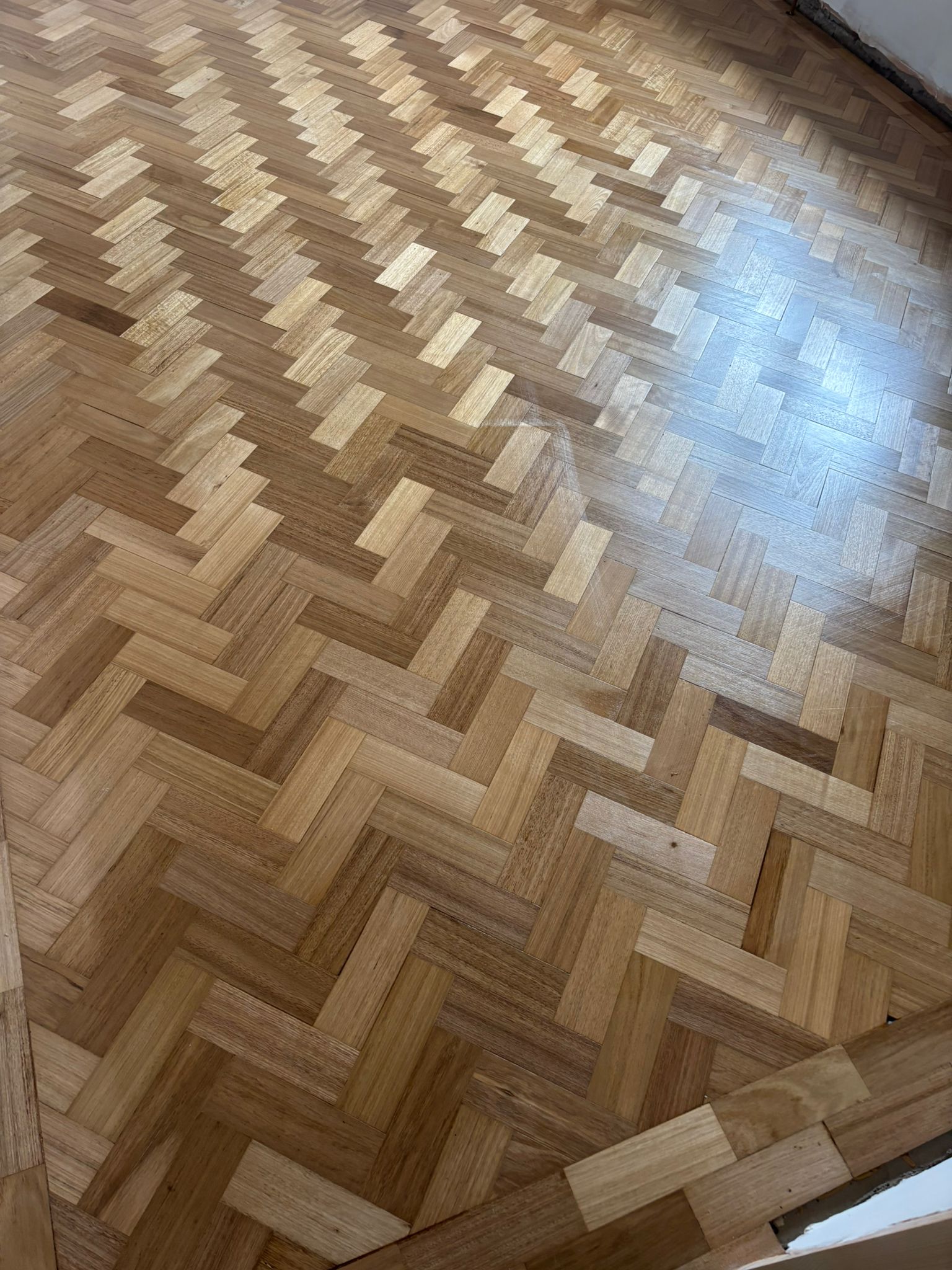
There comes a point with most wood floors when you stand there, looking down at the scratches, the dull patches, the boards that have seen better days, and you ask yourself the same question every homeowner eventually asks: is it time to start fresh, or can what I have been saved?
It is a genuinely important question, and the answer is not always obvious. The right choice depends on the condition of your floors, how much life is left in the timber, your budget, and what you want the end result to look like. Getting this wrong either way costs money, so it is worth taking the time to think it through properly.
What Wood Floor Refinishing Actually Involves
Wood floor refinishing, sometimes called wood floor restoration, is the process of stripping back the existing surface of your boards to reveal fresh timber beneath. This typically involves wooden floor sanding, which removes the top layer of wood along with any scratches, stains, or worn finish that have built up over time.
Once the sanding is complete, the boards are cleaned and then sealed or oiled, depending on the finish you prefer. A good refinish can make a floor that looks beyond saving appear almost brand new. The grain comes back to life, the colour evens out, and the whole room feels different.
This process works well when the boards themselves are structurally sound. If the timber is thick enough to sand, which for most solid wood floors means there is at least 2 to 3 millimetres of usable timber above the tongue and groove, refinishing is almost always the more cost-effective route.
Signs That Refinishing Is the Right Call
If your floor is scratched, scuffed, or has lost its finish but the boards feel solid underfoot, wood floor restoration is likely all you need. Surface-level damage responds well to sanding. Boards that have been previously finished and sanded can often be done again, sometimes more than once, depending on the thickness of the timber.
Discolouration, minor water staining, and general dullness are all good candidates for refinishing. Even floors that look tired and neglected after decades of wear can be brought back with the right approach.
Engineered wood floors can also be refinished in many cases, though the number of times depends on how thick the top veneer layer is. A specialist can check this for you before any work begins.
The cost difference between refinishing and replacement is worth considering carefully. Wood floor sanding and refinishing will typically cost a fraction of what you would spend tearing up existing boards and laying new ones. You also avoid the disruption of a full floor installation, which in an occupied home is no small thing.
When Replacement Makes More Sense
There are situations where refinishing simply cannot deliver what is needed. If your boards have warped badly, cupped, or have sustained deep structural damage from long-term water exposure, sanding the surface will not address the underlying problem. You may sand the boards flat only for the same issues to return.
Boards that have been sanded multiple times and are now too thin to sand again without compromising the tongue and groove joint are another reason to think about replacement. Attempting to sand past this point risks destabilising the floor entirely.
Significant gaps between boards can sometimes be filled and sanded, but where those gaps are the result of boards that have shrunk, cracked, or are pulling apart due to movement in the subfloor, replacing at least a section of the floor may be the only lasting solution.
Pest damage, rot, and severe structural issues fall into the same category. No amount of wood floor restoration will fix a board that has been compromised at its core.
The Cost Comparison
Wood floor sanding and refinishing in the UK generally costs between £15 and £30 per square metre, though prices vary depending on the condition of the floor, the size of the area, and the finish applied. Replacement, by contrast, can run from £50 to well over £100 per square metre once you factor in materials, fitting, and any subfloor preparation required.
For a room of 25 square metres, the difference in spend between refinishing and full replacement could easily run into thousands of pounds. That alone makes it worth getting a professional assessment before assuming replacement is necessary.
How Lifespan Factors In
A well-maintained solid wood floor can last well over a hundred years. Refinishing extends that life by removing surface wear and resealing the timber against moisture and everyday damage. Each refinish, done properly, adds years to the floor’s working life.
New floors, whether solid or engineered, also have a long lifespan when cared for correctly, but they do not automatically outlast a well-restored original floor. In fact, older solid timber boards are often thicker and denser than many modern equivalents, meaning they can take more sanding over time.
If your floor has the bones to work with, wood floor restoration is not just a short-term fix. It is a genuine investment in the longevity of the floor.
Getting the Right Assessment
The single most useful thing you can do before making this decision is to have your floor assessed by a specialist. A trained eye can tell you how much timber is left to work with, whether the boards are structurally sound, and whether refinishing will give you the result you are hoping for.
Companies like Wood Flooring Specialist offer professional assessments and carry out the full range of floor restoration work, from wooden floor sanding through to finishing and repair. Having someone walk the floor with you and give you an honest answer is far more reliable than trying to judge it yourself from a few visible scratches.
You can find further guidance on choosing the right finish and maintaining your floor from resources like the Wood Floor Covering Association, which provides advice aligned with industry standards across the UK.
Making the Decision
Most wood floors can be saved. That is the honest truth of it. Replacement is sometimes necessary, but it is less often the right answer than many homeowners assume when they first see a floor that has aged badly.
Start with the condition of the timber itself. If the boards are solid, if there is enough thickness to sand, and if any damage is surface-level rather than structural, wood floor refinishing will almost certainly give you a floor you are proud of at a cost that makes sense.
If the damage runs deeper, or if the floor has genuinely reached the end of its life, then replacement is the more sensible path. But that assessment is always worth making properly, with someone who knows wood floors and can give you a straight answer.
Contact us today at Wood Flooring Specialist for more information!
